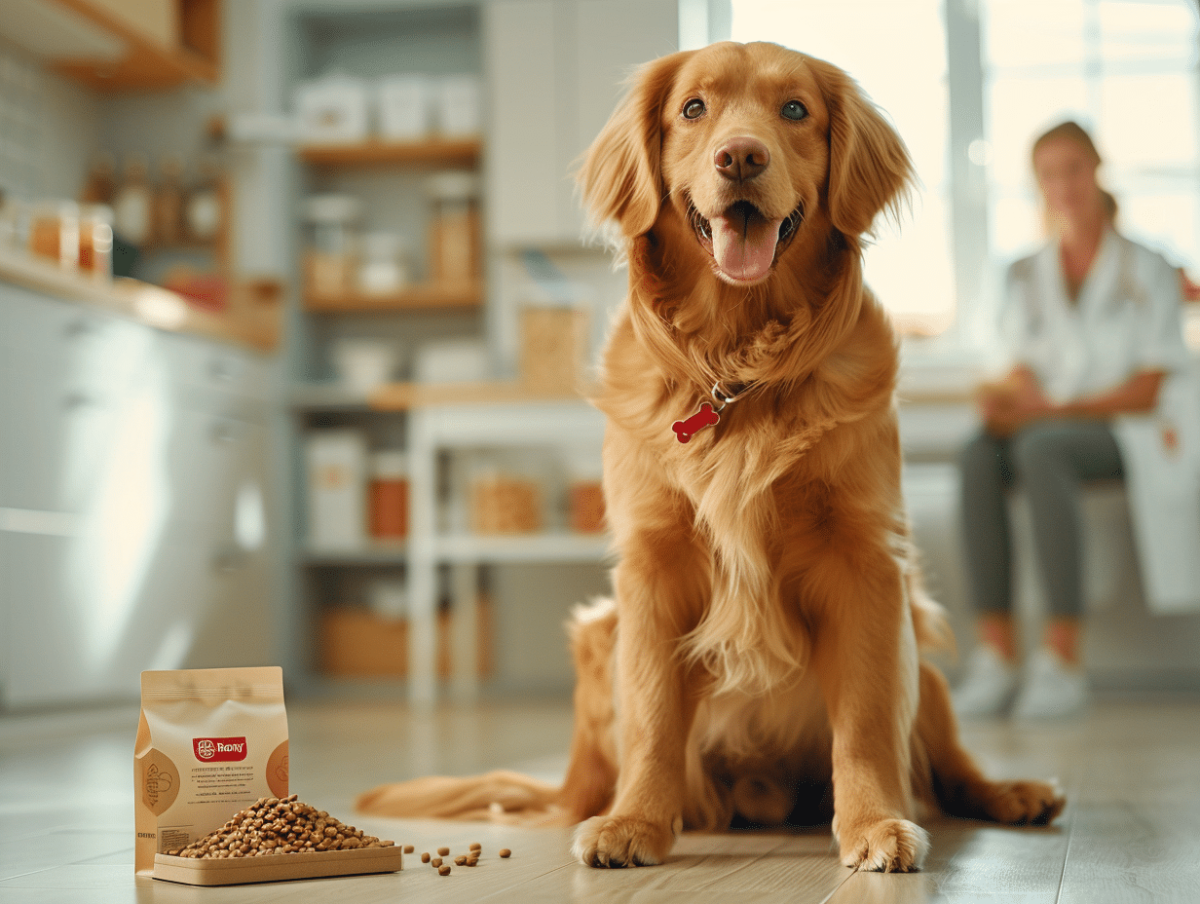
Digestive disorders in dogs can be both distressing for our four-legged companions and a source of concern for their owners. These issues, ranging from simple indigestion to more serious diseases, require special attention and appropriate care. Managing these disorders includes a balanced diet, identifying potential allergens, administering probiotics, or specific treatments prescribed by a veterinarian. Monitoring your dog’s eating and behavioral habits plays a crucial role in the prevention and treatment of digestive disorders. Adopting both preventive and reactive measures is essential for maintaining the digestive health of our canine friends.
Preventing and Identifying Digestive Disorders in Dogs
Monitoring and Anticipation are essential to prevent digestive disorders in dogs. Vomiting, diarrhea, and constipation are just the visible symptoms of a deeper issue that requires constant vigilance. Observe your companion’s eating behaviors, note any changes in their habits, and respond quickly to the appearance of unusual signs. Prevention also involves regular maintenance: a suitable diet, adequate water intake, and daily physical exercise are the pillars of optimal digestive health.
Veterinary Consultation: an essential step when digestive disorders persist despite initial care. Repeated vomiting, for example, can be managed with a diet and gastric protectants such as ‘Smecta for dogs’, but their persistence may indicate a more serious condition. Similarly, diarrhea can be alleviated with rehydration solutions and an appropriate diet, but professional advice is warranted if it lasts. As for constipation, a fiber-rich diet and physical exercise are often recommended; however, a consultation is necessary to rule out any complications.
Prevention and Care: a vital duo in managing canine digestive disorders. A quality diet, specifically formulated for your dog’s needs, can prevent the onset of symptoms. Consider gastrointestinal or hypoallergenic foods in cases of known sensitivities. Adding probiotics and prebiotics to the daily diet strengthens the intestinal flora and helps protect against digestive disorders. Organic blond psyllium, with its high fiber properties, can be a valuable ally in regulating intestinal transit. Treat these measures as an investment in your pet’s well-being, a preventive gesture that will spare many inconveniences.

Treatment and Management Strategies for Canine Digestive Disorders
The Choice of Diet, in managing canine digestive disorders, is a major focus. A wide range of specific foods exists, such as gastrointestinal or hypoallergenic foods, designed to meet the needs of affected animals. Opt for these products that limit the risks of intolerance and promote the restoration of digestive balance. A temporary diet may also prove beneficial in soothing a disrupted digestive system.
Dietary Supplements, probiotics, and prebiotics play a fundamental role in restoring and maintaining a healthy intestinal flora. Consider their inclusion in your dog’s diet as support for their digestion, strengthening their natural defenses against internal imbalances. Organic blond psyllium, rich in soluble fibers, is another significant ally in regulating transit, facilitating stool passage and maintaining colon hydration.
Rehydration, a measure not to be overlooked, especially in cases of diarrhea, can be achieved through specially adapted rehydration solutions. These solutions compensate for losses in electrolytes and fluids, essential for preventing dehydration. Ensure your pet always has access to fresh, clean water, and if you notice signs of dehydration, do not hesitate to consult a veterinarian.
Regular Physical Exercise, often underestimated, proves to be a determining factor in the prevention and treatment of constipation. Encourage your dog to move, play, and stay active to stimulate natural intestinal motility. This contributes to regular transit and reduces the risk of stool accumulation and impaction. Take these preventive and therapeutic measures, always in collaboration with a veterinary professional, for a personalized and effective approach.