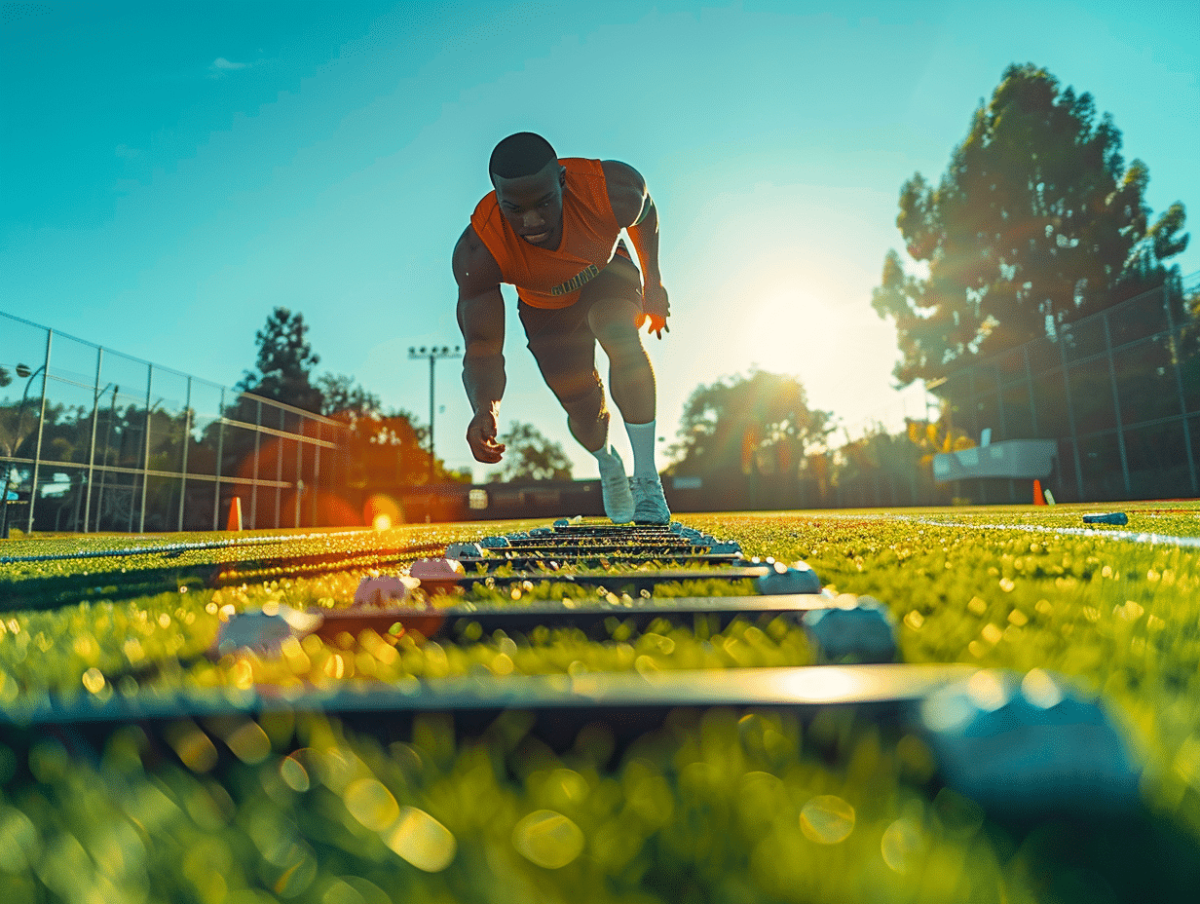
In the competitive world of football, optimizing physical preparation off the field plays a fundamental role. Often, players focus on ball handling, but there are a multitude of techniques to enhance performance without this equipment. These methods help to strengthen physical condition, increase endurance, and develop speed and agility, which are essential assets for excelling in this sport. Exploring training strategies without a ball can thus offer an additional dimension to preparation, focusing on muscle development, coordination, and the ability to maintain high intensity throughout a match.
The Fundamentals of Off-Field Physical Training for Footballers
The pre-season physical preparation is crucial for the success of a football team. It should be viewed as an essential phase, with content that is anticipated and measured, intelligently preparing athletes for the demands of their sport. At the heart of this period is the football-specific physical preparation program, which includes PPG (General Physical Preparation), PPS (Specific Physical Preparation), VMA (Maximum Aerobic Speed), and PMA (Maximum Aerobic Power), fundamental for establishing a solid foundation.
The physical training exercises should be varied and tailored to the specific needs of the players. Ball-less football training sessions are then implemented to work on physical condition, coordination, and individual technique. In this context, the physical exercises for football without a ball include muscle strengthening circuits, cardio sequences, sprints, as well as flexibility and agility exercises.
Regarding mistakes to avoid, coaches and physical trainers must be vigilant not to neglect the players’ lifestyle and to choose the right timing for each type of exercise. Fatigue and recovery are elements to monitor closely to prevent any overload and potential injury. The physical tests, such as the Cooper Test or the VAMEVAL Test, serve to assess the physical level of players in order to personalize training and track progress made.
Physical preparation with or without a ball should integrate specific exercises to improve endurance and speed. Football-specific muscle strengthening builds robust musculature and helps prevent injuries. The game without the ball, a key aspect of football, is linked to game intelligence and the players’ ability to make themselves available. It is a work on anticipation and positioning that, without the ball, forges the strategic mindset necessary on the field.

Planning a Ball-Less Training Routine and Recovery Tips
To structure an effective ball-less training routine, you must adhere to the principles of progression and diversity. The sessions should be balanced, alternating between cardiovascular work, muscle strengthening sequences, flexibility, and coordination exercises. Each training session begins with a careful warm-up to prepare the body for effort and ends with stretching to promote muscle recovery.
The weekly planning should reflect phases of intensive work and recovery periods. Active rest days, where low-intensity activities are practiced, allow for optimal muscle recovery while maintaining physical activity. These recovery phases are essential to prevent overloads and, therefore, the risk of injury.
In the field of recovery, nutritional and hydration strategies play a predominant role. The diet should be rich in macronutrients and micronutrients to repair tissues and replenish energy reserves. Hydration, on the other hand, must be constant, especially during hot periods or intense training, to avoid dehydration and maintain performance.
Regular use of physical tests allows for evaluating the effectiveness of the training routine and adjusting sessions accordingly. Tools like the Cooper Test or the VAMEVAL Test provide precise indicators of the athlete’s physical condition and serve as a guide to measure progress and adapt training loads. Post-effort recovery is also an opportunity to reassess the strategies in place and ensure that the body regenerates properly.