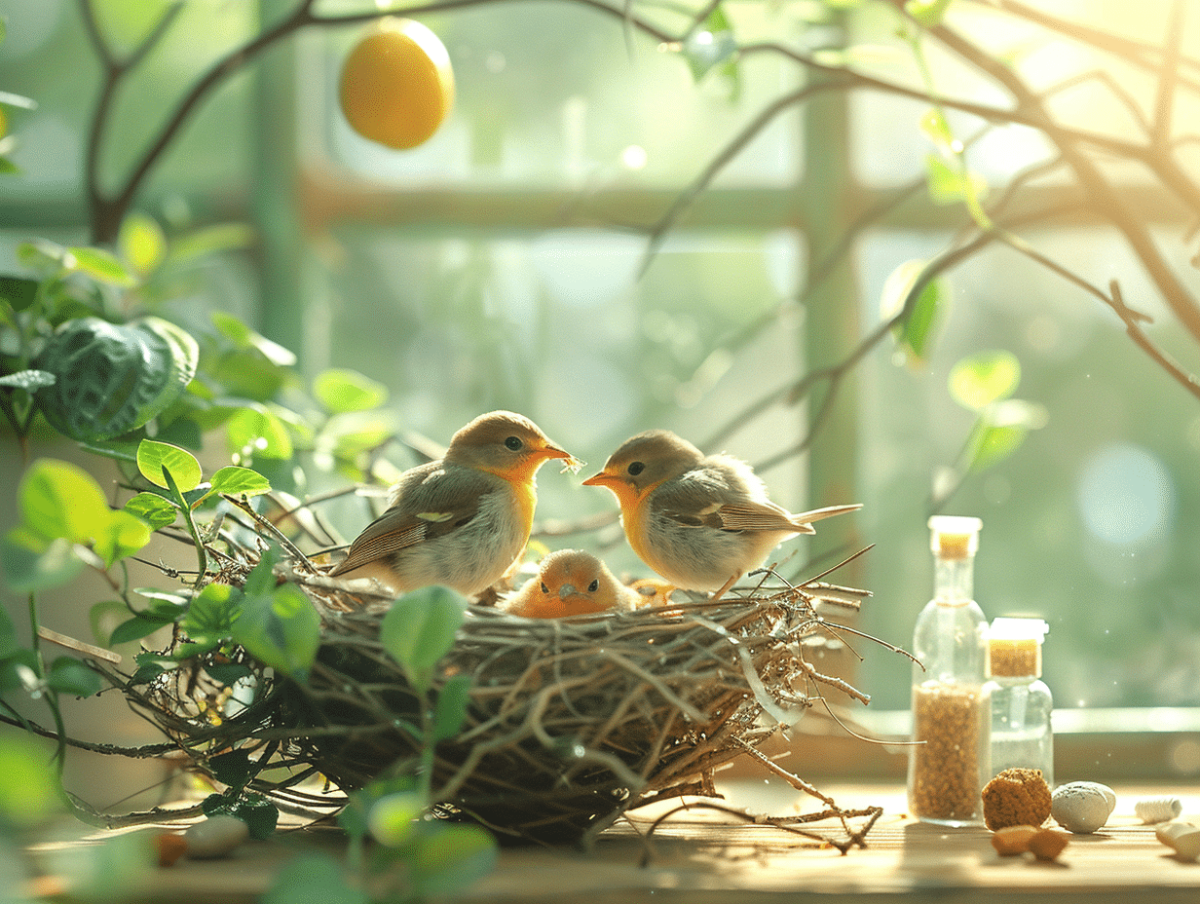
Raising chicks is a delicate task that requires special attention, especially when they are orphaned or prematurely removed from the nest. The initial period of their life is crucial, and their survival largely depends on appropriate care and a balanced diet. Young birds have specific nutritional requirements that differ from those of adults. Their diet must be high in protein to promote healthy growth. They require frequent feeding, sometimes every 15 to 20 minutes. Understanding and applying the right techniques can make all the difference for their development.
Initial Care and Assessment of the Chick’s Condition
Finding a chick on the ground, particularly in spring and summer, the season of birth and independence for young birds, requires careful assessment. Before any intervention, observe the chick: its health status, its ability to move, and the possible presence of parents nearby. Often, a young bird on the ground is not in distress but is learning to fly under the discreet supervision of its parents.
If intervention is necessary, the first step is to warm the young bird. A cold chick is less receptive to food and has an increased risk of complications. A warm environment encourages the resumption of digestive activity and prepares for feeding. Remember: handling a chick should be measured and gentle to avoid any additional stress.
In cases where the young bird requires human care, such as for an isolated and vulnerable baby pigeon, the recommended course of action is to contact a specialized rehabilitation center. These facilities have the expertise and proper resources to provide specialized care for found chicks. Their qualified staff will be able to meet the specific needs of each species, thus ensuring the best chances of survival and reintegration into their natural habitat.
It should be noted that, according to the law, keeping most bird species without permission is prohibited. This measure aims to protect bird populations and their biodiversity. If in doubt about what to do or if you cannot quickly reach a rehabilitation center, you should contact the relevant authorities or wildlife protection organizations for precise instructions and to act in accordance with current regulations.
Appropriate Feeding and Daily Care of Chicks
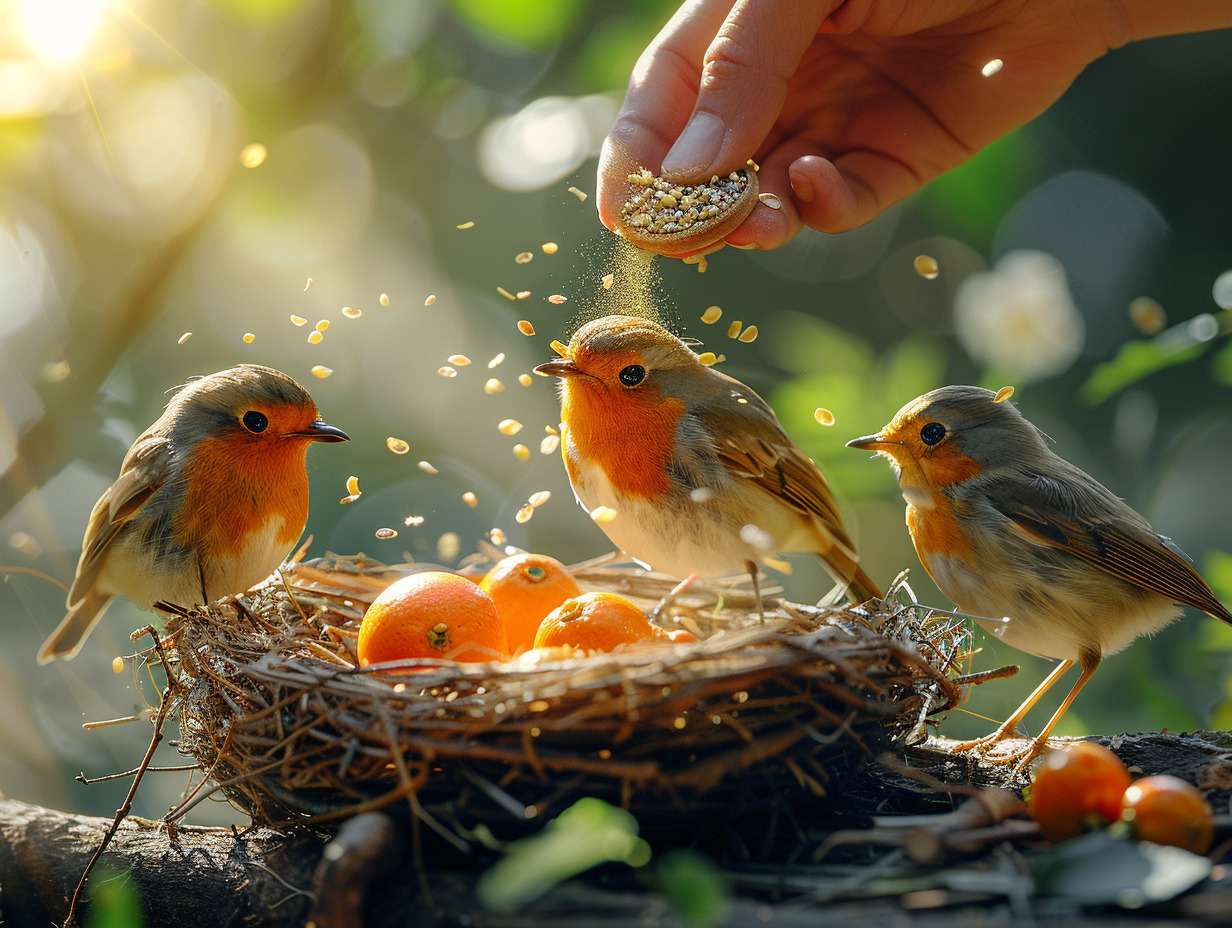
Feeding a chick requires a precise understanding of its nutritional needs, which vary by species. The food must be rich and suitable: insects, worms, special chick formulas, or even moistened cat or dog kibble for certain omnivorous species. Absolutely avoid dairy products, bread, and salty foods that are harmful to their health. It is best to consult a professional for personalized feeding advice.
Hydration is equally crucial. Chicks must be rehydrated carefully, for example, using a syringe without a needle to administer water or special rehydration solutions. This delicate step should be performed before offering solid food to the animal, to ensure proper functioning of its digestive system.
The feeding frequency depends on the age and condition of the chick. Generally, a young bird requires meals every 15 to 20 minutes from dawn to dusk. This sustained rhythm gradually decreases as the chick grows and becomes capable of storing more food in its stomach. Monitor the chick’s appetite and feeding behavior closely to adjust the frequency of meals.
Regarding the feeding duration, this continues until the chick is ready for independence and able to meet its own needs. This period of care can vary, but it often spans several weeks. Take note of signs of maturity, such as complete plumage and the bird’s ability to perch and fly, to determine the right moment for release into the wild.