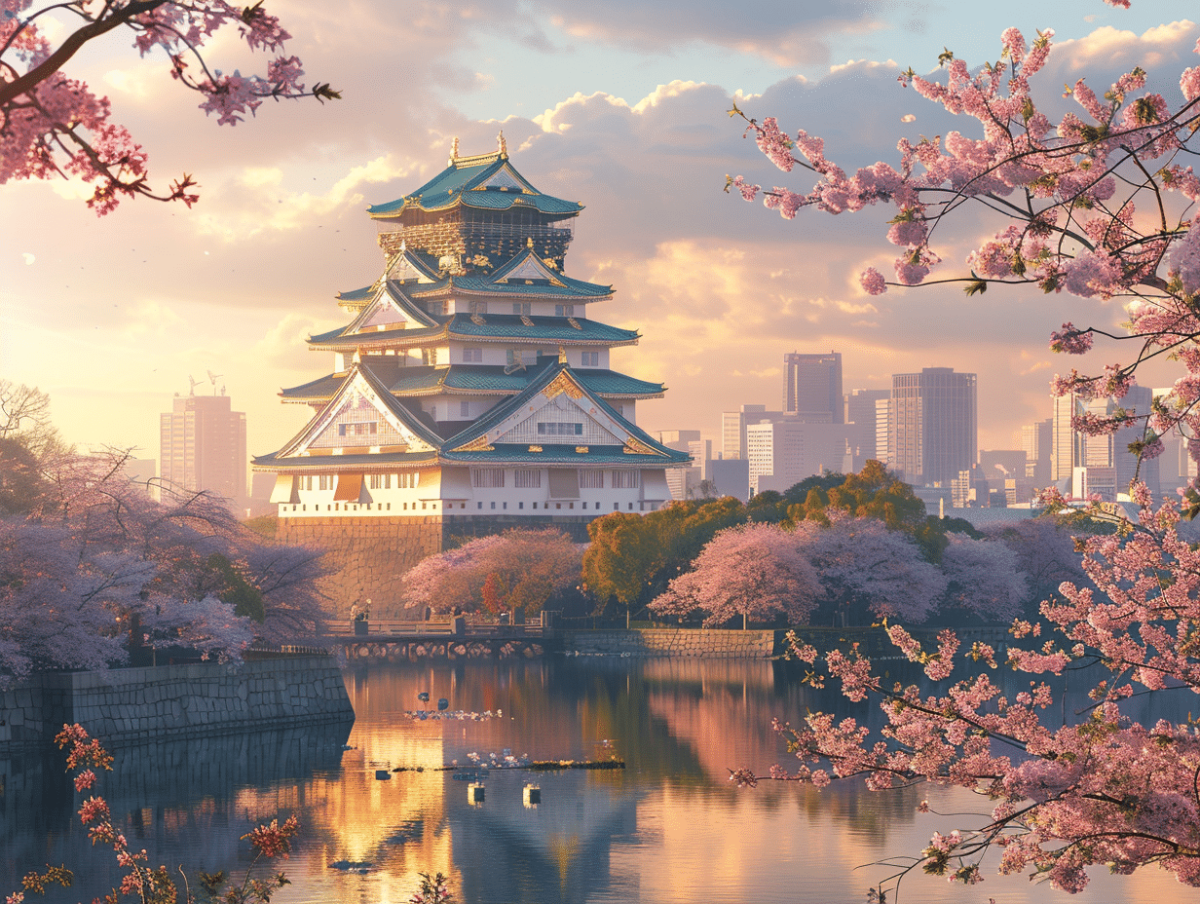
Cities around the world embody the essence of diverse cultures and fascinating histories. When focusing on those whose names begin with the letter ‘O’, a mosaic of destinations unfolds for travelers. From the ancient city of Oxford, with its prestigious universities, to the dynamic Osaka, a pioneer in innovation in Japan, each metropolis reveals unique characteristics. Orlando, in the United States, evokes amusement parks and childlike magic, while Oslo in Norway reflects the harmony between urbanity and nature. Exploring these cities is an invitation to a journey through alphabets of cultures and experiences.
Cities of the world that start with O: a unique panorama
The exploration of cities whose names begin with the letter ‘O’ reveals a unique panorama of global urban diversity. These metropolises, scattered across the four corners of the globe, embody the distinctive character of the territories they represent. From the capital in O of Canada to the vibrant Osaka, each city offers a particular face, an indelible mark in the cultural and economic fabric of their respective countries. The overview of cities beginning with ‘O’ is an open window to the best-kept secrets of the world’s cities.
Ottawa, Osaka, and Ulaanbaatar: metropolises with a striking identity
Ottawa stands as a model of bilingualism and diplomacy. As the capital of Canada, it plays a leading role on the national and international stage while offering a rich and diverse cultural scene. Visitors discover a heritage where political institutions coexist with museums and art galleries, reflecting a city where culture and power are in constant dialogue.
Osaka, Japan’s second city in terms of economic dynamism, fascinates with its modernity and capacity for innovation. Its cultural identity is marked by gastronomy, the historic castle, and the vibrant Dotonbori district, symbols of a metropolis that knows how to blend tradition and modernity. Osaka, with its millions of inhabitants, illustrates the strength of a city that continually reinvents itself.
Ulaanbaatar, the capital of Mongolia, offers a striking contrast between the authenticity of its nomadic traditions and the dynamism of its growing urbanization. Genghis Khan Square, at the heart of the city, is an emblematic place where the history of a people is anchored. This city, often overlooked, reveals a social and cultural mix that intrigues and fascinates, echoing a Mongolia between two eras.
These three cities, Ottawa, Osaka, and Ulaanbaatar, illustrate the variety of planning and development strategies that characterize modern metropolises. Behind each name starting with ‘O’ lies a story, a heritage, and an ambition. These metropolises, far from being mere points on a map, are key players in the contemporary world, shaping the future through their striking identity and growing influence.
Ottawa: a bilingual capital at the heart of Canadian politics
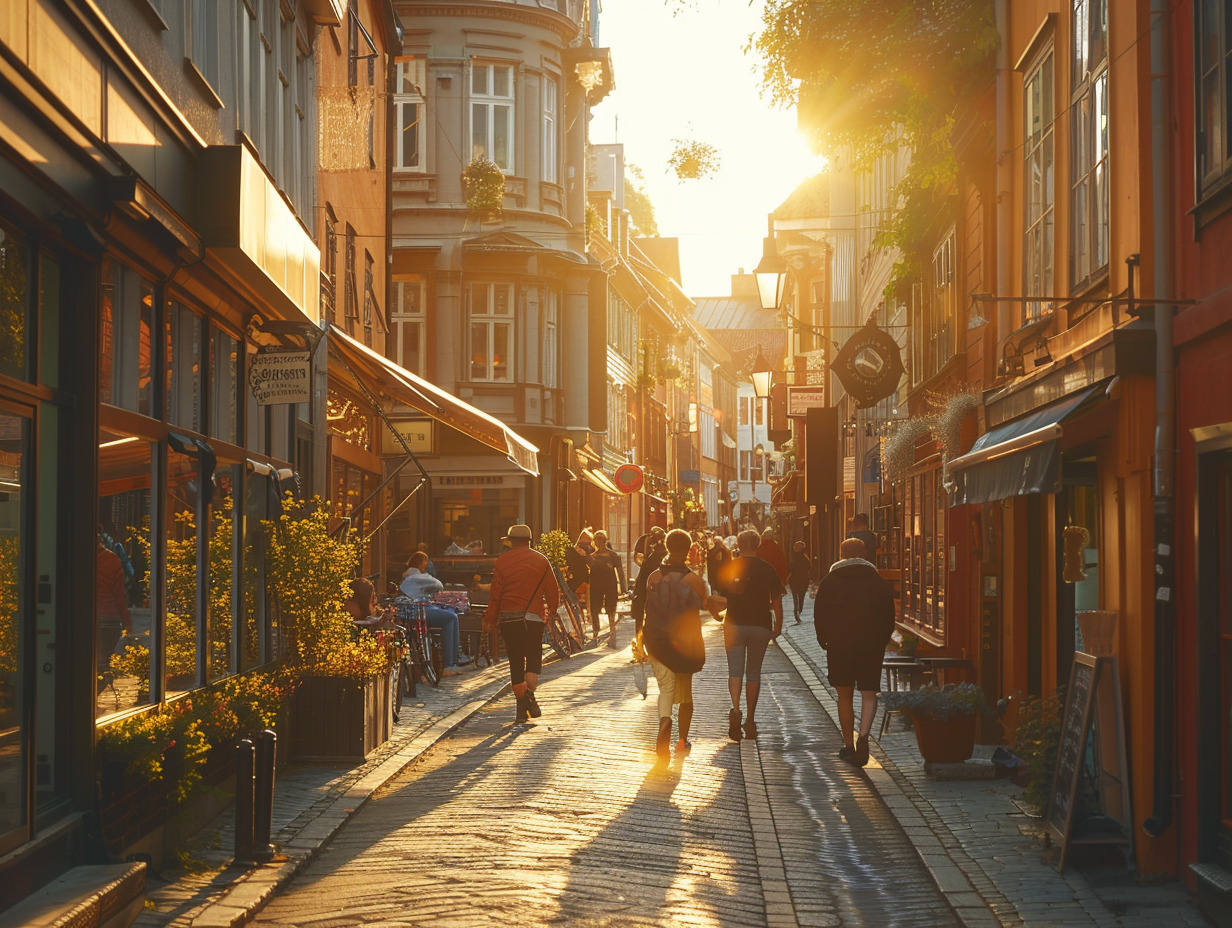
Ottawa, the federal capital of Canada, stands out for its bilingual character and central role in the national political debate. This city is the stage for major political events and houses internationally renowned institutions. Beyond its administrative function, Ottawa charms with its dynamic cultural scene, where museums, galleries, and festivals illustrate the richness of its artistic life. The Canadian capital, by combining the demands of diplomacy with a culturally diverse environment, asserts its identity within the concert of nations.
Osaka: a Japanese metropolis between tradition and futurism
In Japan, Osaka reveals itself as a metropolis where modernity coexists with remnants of the past. Renowned for its gastronomy and economic dynamism, the city is a center of attraction for food lovers and entrepreneurs. Iconic sites such as Osaka Castle and the Kaiyukan Aquarium are part of the urban heritage, while the Dotonbori district offers an immersion in entertainment with its bright signs and street food stalls. Osaka, with its economic power and cultural abundance, plays a decisive role in shaping contemporary Japan.
Ulaanbaatar: the symbiosis between nomadic tradition and modern urbanism
In Mongolia, Ulaanbaatar is a striking example of the fusion between the old and the new. The Mongolian capital unfolds in a setting where traditional tents, or yurts, mingle with modern constructions. Genghis Khan Square, in the center of the city, is a symbol of this harmony between history and modernity. Ulaanbaatar is a crossroads for nomadic culture that, despite rapid urbanization, preserves its ancestral traditions. This metropolis, both a testament to the past and a laboratory for the future, questions and redefines the modalities of urbanity.
Cities with distinct development strategies
Ottawa, Osaka, and Ulaanbaatar, each in its own way, illustrate the diversity of approaches to urban development. These metropolises, although they share the first letter of their name, offer different responses to the challenges of globalization and population growth. Whether through bilingualism, gastronomy, or the integration of nomadism in an urban context, these cities assert their individuality and project their vision of development in a constantly evolving world.