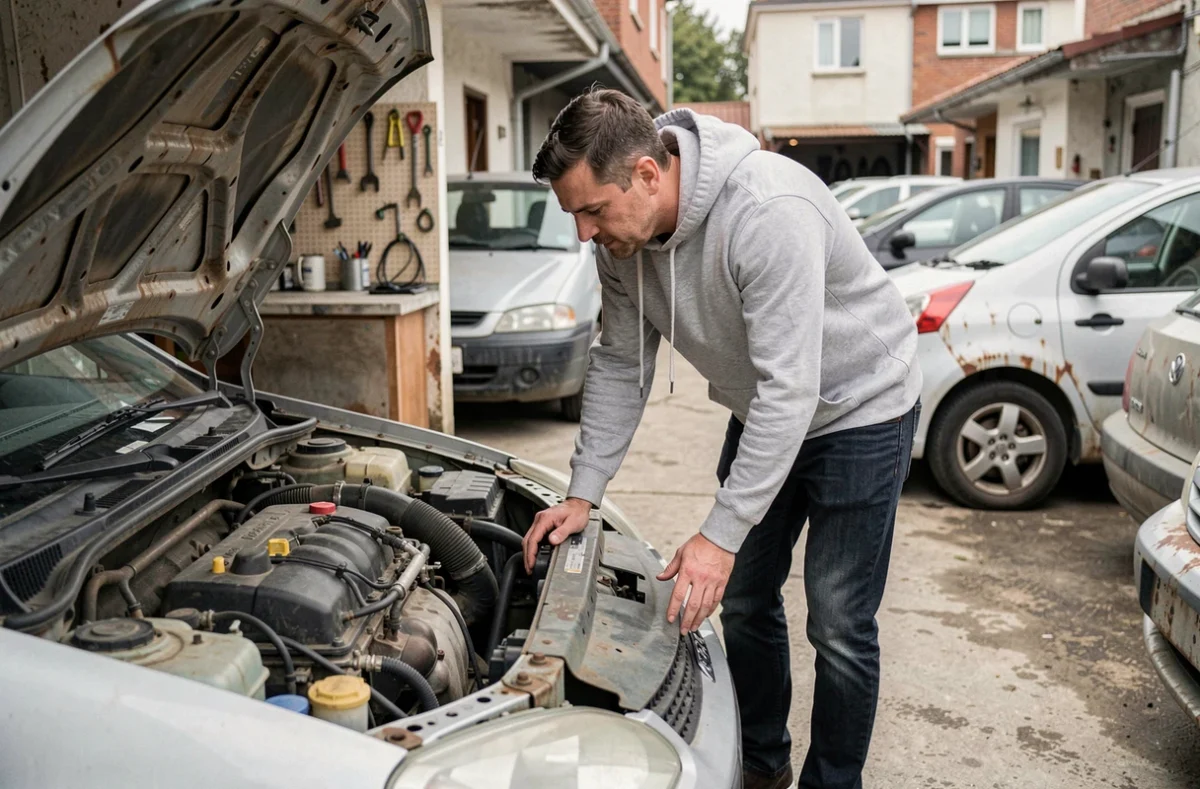
A solidarity garage sells used cars at reduced prices, often sourced from donations by individuals or businesses. The purchase price is significantly lower than that of the traditional market. However, a low price does not indicate the actual reliability of the vehicle. To measure what one gains (and what one risks), it is necessary to compare warranties, technical checks, and hidden costs between a purchase at a solidarity garage and other used car channels.
Solidarity garage, dealer, individual: cost and protection comparison
The purchasing channel determines both the displayed price and the level of legal protection. Here is what the three main channels concretely offer.
| Criterion | Solidarity Garage | Used Dealer | Individual to Individual |
|---|---|---|---|
| Sale Price | Very below market (social rate) | Market price or slightly above | Variable, often negotiable |
| Legal Warranty of Conformity | Yes, if the garage acts as a professional seller (2 years from delivery) | Yes, 2 years (presumption of 12 months for used) | No (only warranty for hidden defects) |
| Technical Inspection | Generally performed before sale | Mandatory before sale | Mandatory (less than 6 months) |
| Additional Mechanical Diagnosis | Sometimes included (varies by structure) | Rarely included unless certified | At the buyer’s expense |
| Access Conditions | Reserved for people in precarious situations (referred by France Travail, CAF, CCAS) | Open to all | Open to all |
The solidarity garage combines a low price and a legal warranty of conformity, which clearly distinguishes it from sales between individuals. However, access is conditional: one generally needs to be referred by a social organization.
To find a car at garage-solidaire-hainaut.fr, beneficiaries go through a social prescription that validates their eligibility before any vehicle proposal.

Technical Inspection and Actual Reliability: What the Regulatory Examination Does Not Show
A favorable technical inspection reassures, but it is not sufficient to establish the reliability of a vehicle. This examination is conducted without disassembly and at a given moment. It may overlook several costly elements.
- The wear of the clutch is not measured during the technical inspection. A replacement represents a significant cost on an older vehicle.
- The timing belt’s deadline is not checked. A break usually leads to engine failure.
- The actual state of the battery and intermittent defects (electronics, cold starting) escape the standard examination.
An additional mechanical diagnosis reduces the risk on costly parts to replace. Some solidarity structures perform it before the sale, others do not. This question deserves to be asked before signing.
HistoVec: A Free Filter to Use Before Any Purchase
The HistoVec verification is particularly relevant for low-priced vehicles. The seller can generate a free link that allows comparing the declared mileage, administrative history, and known events of the vehicle with invoices and the maintenance log.
An inconsistency between the HistoVec report and the documents provided should be considered a reason for refusal. On a vehicle sold at a solidarity price, the available repair budget after purchase is often limited: it is better to dismiss a dubious file than to attempt a risky good deal.
Legal Warranty of Conformity in Solidarity Garage: An Underestimated Protection
When a solidarity garage acts as a professional seller, the legal warranty of conformity applies. For a used car, a defect that appears during the first twelve months is presumed to exist at the time of sale, unless proven otherwise by the seller.
This presumption reverses the burden of proof. The buyer does not have to demonstrate that the defect existed before the sale: it is up to the garage to prove otherwise. Conversely, in a sale between individuals, this protection does not exist. The buyer must then initiate a procedure for hidden defects, which is longer and more uncertain.
Not all solidarity structures operate the same way on this point. Some are associations that occasionally sell, while others operate as professionals under consumer code. Asking for the exact legal status of the structure before purchase allows one to know which warranty actually applies.
Access to Solidarity Garage: Eligibility Criteria and Orientation Path
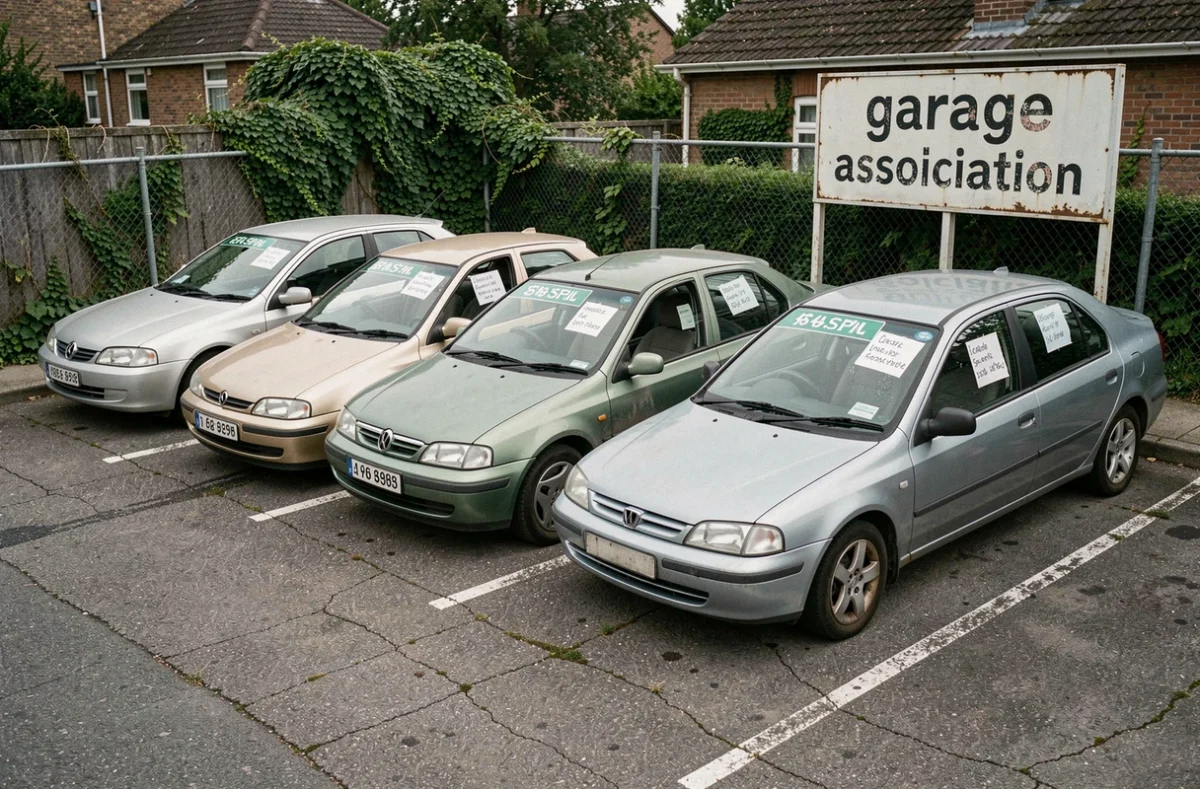
A solidarity garage does not operate on a self-service basis. Access to vehicle sales is reserved for people in precarious situations, referred by a social prescriber.
- France Travail can issue a prescription when the lack of a vehicle hinders employment.
- The CCAS (Municipal Social Action Centers) direct beneficiaries of social minimums to local structures.
- The CAF sometimes intervenes as a supplement, particularly through zero-interest loans (preventive loan or honor loan) to finance the purchase.
The typical path begins with an appointment with a social worker, who assesses the situation and writes the prescription. The beneficiary is then connected with the nearest solidarity structure, where they choose a vehicle from those available.
Additional Financing to Cover Purchase Costs
Even at a solidarity rate, the price of a used vehicle represents an expense. Personal microcredit, offered notably by ADIE, allows financing this purchase without going through a traditional banking channel. CAF zero-interest loans are another option, with monthly payments adapted to the household budget.
The price gap between a solidarity garage and the traditional used car market is wide enough that, even with a small loan, the total cost remains much lower than a standard purchase. The real financial risk is not the purchase price but the unexpected repair cost on a poorly verified vehicle. Hence the importance of mechanical diagnosis and HistoVec verification before committing.